Winter Cycling Gloves: How to Keep Your Hands Warm and Dry
Good winter cycling gloves keep your hands warm, reasonably dry and in control of the brakes, without being so bulky that you fumble the gears. For most UK winter riding, roughly between 0 and 8°C, an insulated full-finger glove with a water-resistant shell and a grippy palm is the sweet spot. Colder, wetter or longer rides call for extra layers or lobster-style mitts. Fit matters as much as thickness: gloves that are too tight restrict blood flow and make your fingers colder.
Why your hands get so cold on the bike
On a bike, your hands sit out in front in the wind, barely moving, wrapped around a cold handlebar. Wind chill makes a mild day feel much colder at riding speed. Add wet roads and spray, and fingers lose heat quickly. Gripping the bars tightly, which many of us do in traffic or on slippery roads, also reduces circulation. That is why winter gloves need to block wind and wet, hold in warmth and still let you grip and brake properly.
What to look for in winter cycling gloves
Insulation
A thermal lining traps body heat. More insulation is warmer but bulkier, which makes braking and shifting less precise. Aim for enough warmth for your usual ride, not the thickest glove you can find.
Wind and water protection
Wind is the main enemy on dry, cold days, and rain and spray on wet ones. Water-resistant gloves repel light rain and road spray. Fully waterproof gloves use a membrane to keep out sustained rain, but tend to breathe less and can feel clammy from the inside. For most commutes, a water-resistant outer plus a dry spare pair for the ride home is a practical approach.
Grip
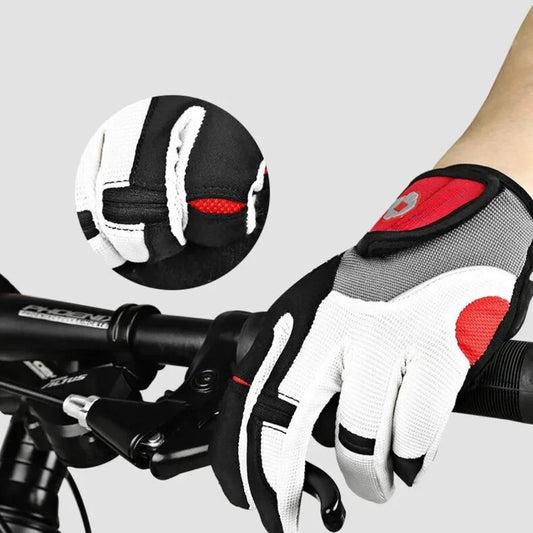
Wet bars and cold hands are a poor combination. Reinforced or textured palms help you keep a firm hold when it is wet.
Touchscreen fingertips
These are handy for checking a map or answering a message once you have stopped, without taking your gloves off in the cold. Never use your phone while riding: pull over somewhere safe first.
Cuffs and visibility
A longer cuff that tucks under your jacket sleeve stops cold air and rain getting in at the wrist. Bright colours make your hand signals easier to see on dark afternoons.
Which gloves for which temperature?
| Temperature | Typical conditions | What usually works |
|---|---|---|
| Above 12°C | Dry or showery | Fingerless or lightweight full-finger gloves |
| 8 to 12°C | Cool mornings and evenings | Light full-finger gloves, ideally windproof |
| 0 to 8°C | A typical UK winter day | Insulated, water-resistant winter gloves |
| Below 0°C, or very long rides | Frost, ice, sleet | Heavy winter gloves or lobster mitts, with a thin liner glove underneath |
Everyone feels the cold differently, so treat this as a starting point. If you suffer from cold hands, go one step warmer than the table suggests.
Getting the fit right
- Measure around your hand at its widest point, just below the knuckles and excluding the thumb, then compare with the size chart on the product page.
- Leave a little room at the fingertips. A glove that is tight across the knuckles squeezes out warm air and restricts circulation.
- If you plan to wear a liner glove underneath, consider going up a size.
- Check you can pull the brake levers fully and work the gears with the gloves on.
For an overview of glove types for every season, see our guide to the best cycling gloves in the UK.
Our pick for winter riding
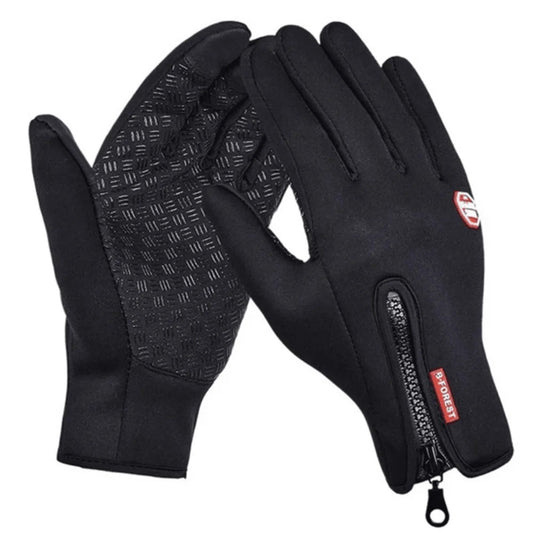
Our pick: CycloWint™ winter cycling gloves (£19.95) are an affordable choice for cold, wet commutes and weekend rides. The inner lining traps your body heat, the outer shell repels rain and snow, reinforced palms give a strong hold on the handlebar even when wet, and touchscreen-friendly fingertips let you use your phone when you stop without taking them off. They come in sizes S to 2XL and in black, grey, orange, blue and purple; the brighter colours help your hand signals stand out on dark evenings.
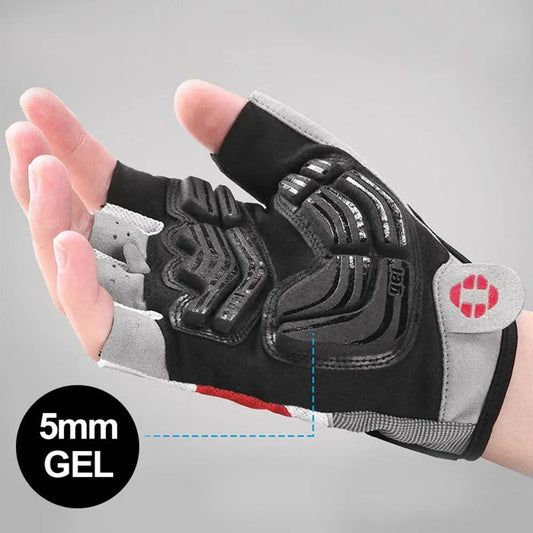
For milder days, our cycling gloves collection also includes lighter gel-padded pairs. Delivery is free on every order, with tracking, and usually takes 7 to 10 business days, so it is worth ordering before the first cold snap. Unused gloves can be returned within 30 days, with return postage paid by you.
Extra tips for warm hands
- Start warm: keep your gloves indoors rather than in a cold shed or garage, and put them on before you head out.
- Keep your core warm: when your body gets cold, it sends less blood to your hands. A good jacket and a thin hat or headband under your helmet help your fingers too.
- Relax your grip: hold the bars lightly and wiggle your fingers on long descents.
- Carry a spare pair: on wet days, a dry pair in a waterproof bag makes the ride home far nicer. A handlebar bag keeps them within easy reach.
- Layer up: a thin liner glove under your winter gloves adds warmth on freezing mornings.
- Dry them gently: dry gloves at room temperature, stuffed with newspaper, rather than on a radiator, which can damage linings and grips.
Winter rides also mean riding in the dark. Our guide to bike helmets with lights covers extra visibility on top of the front and rear lights your bike needs.
When cold hands are more than discomfort
If your fingers regularly turn white or blue, stay numb long after the ride, or hurt badly as they warm up, mention it to your GP. Conditions such as Raynaud's are common and worth getting checked. Numbness in warmer weather, often caused by pressure on the handlebar, is a different issue: padded gloves and a good bike set-up may help, and a GP or physiotherapist can advise if it persists.
Frequently asked questions
Are waterproof cycling gloves worth it?
For long rides in steady rain, yes. For most commutes, water-resistant gloves that breathe better are more comfortable, and a spare pair covers the wettest days. No glove stays completely dry forever in a British downpour.
How warm should winter cycling gloves be?
Warm enough for the coldest ride you do regularly, without losing control of the brakes and gears. For typical UK winter temperatures, an insulated full-finger glove is usually enough; add a liner below freezing.
Can I use ordinary winter gloves for cycling?
You can, but cycling gloves are shaped for holding the bars, have grippy palms and often longer cuffs. Ordinary gloves can be slippery on wet bars and tend to let the wind through.
What are lobster cycling gloves?
Lobster gloves group your fingers in pairs, like a mitten split in two. They are warmer than five-finger gloves because the fingers share heat, but still let you use the brakes. They suit freezing days and long winter rides.
Are cheap winter cycling gloves any good?
An affordable pair can do a good job if it has the basics: insulation, a water-resistant shell, grippy palms and the right fit. Spend more if you need full waterproofing or ride for hours in very cold conditions.