How to Prevent Saddle Sores and Chafing When Cycling
To prevent saddle sores, you need to reduce the three things that cause them: pressure, friction and moisture. In practice that means a saddle that suits you and is set at the right height, padded shorts or underwear worn without ordinary underwear beneath, chamois cream on longer rides, and getting out of sweaty kit as soon as you finish. Chafing from cycling has the same causes, so the same habits help with both.
What saddle sores and chafing actually are
Chafing is skin that has been rubbed sore by repeated friction, usually on the inner thighs or around the groin. It often feels like a burn and can sting in the shower afterwards.
Saddle sores is a broader term. It covers anything from a patch of irritated skin where you sit to inflamed hair follicles or tender lumps. They tend to appear where pressure, damp skin and friction meet, and they are more likely when you ride often or suddenly increase your distance.
Both are common, and both are usually a sign that something in your setup or routine can be improved.
Causes and fixes at a glance
| Cause | What you might notice | What to change |
|---|---|---|
| Saddle too high | Hips rocking from side to side as you pedal | Lower the saddle in small steps of a few millimetres |
| Saddle shape or width that does not suit you | Pressure on soft tissue rather than on your sit bones | Try a saddle that supports your sit bones for your riding position |
| Ordinary underwear under padded shorts | Red lines where seams or elastic sit | Wear padded shorts or underwear directly against your skin |
| Sweat and damp | Soreness after hot or wet rides | Breathable, quick-drying fabric; change straight after riding |
| Loose or worn-out shorts | A pad that slides or feels flat | A snug fit in the right size; replace tired shorts |
| A sudden jump in mileage | Problems that start on a holiday or first long ride | Build up distance gradually |
Before a long ride: a quick checklist
- Clean, dry padded shorts or padded underwear, worn without ordinary underwear.
- Chamois cream applied to areas that tend to rub.
- Saddle height and tilt checked, especially if you have recently changed anything.
- Clean skin: showering before a long ride helps.
- For multi-day trips, a fresh pair for each day and a small tub of cream.
Bike fit: the most overlooked cause
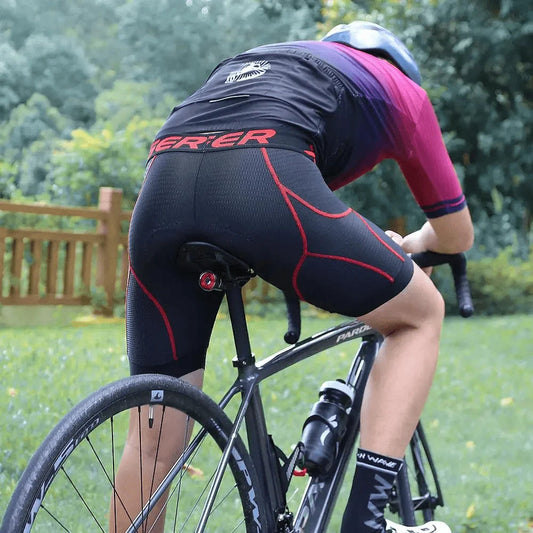
A saddle that is too high makes your hips rock with every pedal stroke, which means constant rubbing in exactly the wrong place. Too low, and you tend to put more weight through the saddle. Start with the saddle level, check that your knee is slightly bent at the bottom of the pedal stroke, and make small adjustments rather than big jumps.
The saddle itself matters too. It should carry your weight on your sit bones rather than on soft tissue. If you also get numbness, our guide to numbness from a bike seat covers shape, cut-outs and position in more detail, and our guide to the best saddle for long rides helps you match a saddle to how you ride.
What you wear against your skin
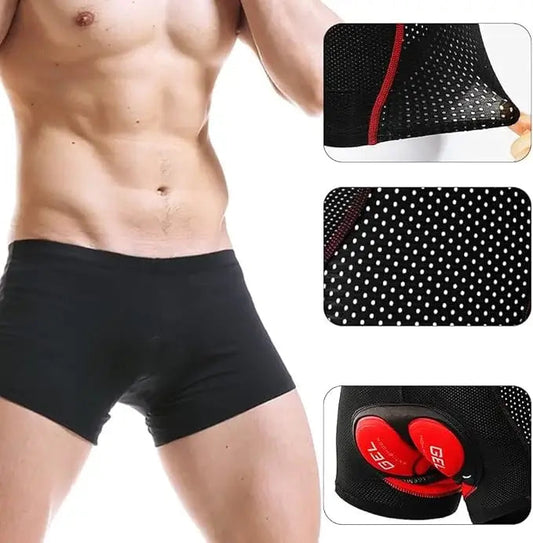
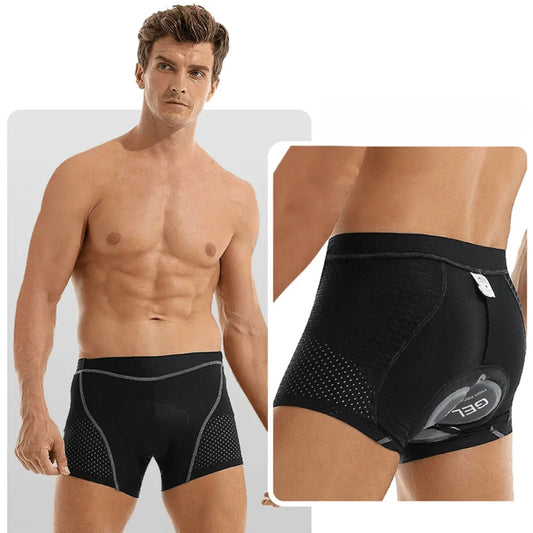
Padded shorts and padded underwear are designed to be worn next to the skin. A layer of ordinary underwear underneath adds seams in the worst possible places and holds moisture, which is one of the most common reasons riders chafe.
Look for flat seams, a pad that stays put, and a close fit. A pad that slides around causes friction, so size matters: our cycling underwear size guide shows you how to measure. For hygiene reasons cycling underwear cannot be returned or exchanged, so check the size chart before you order.
Breathable shorts for summer riding
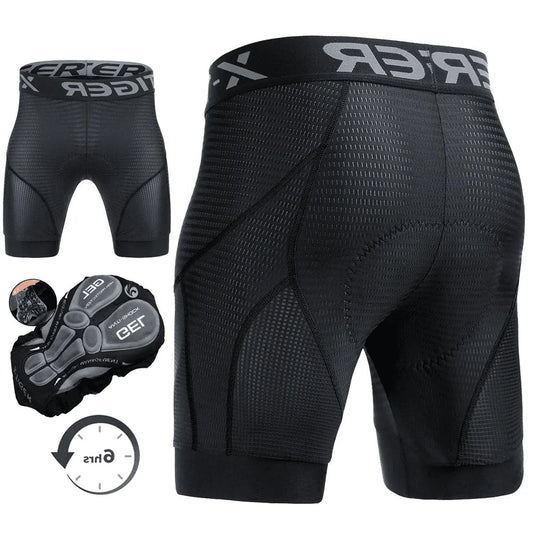
In hot weather, sweat is the main enemy. Mesh panels and quick-drying fabrics help moisture escape, so your skin stays drier and less prone to rubbing. On long sunny days, fabric with UV protection is a bonus for exposed skin at the leg. In winter, the same quick-drying fabric helps after rain and road spray.
Our pick: the VeloShield cycling underwear (£49.95) has 5D gel padding that reduces pressure points, mesh panels that help wick moisture and an ergonomic fit designed to stay in place without slipping or chafing. Built-in UV protection makes it a good choice for long summer rides. Sizes S to 3XL.
Our pick: for everyday rides and commuting, the CycloGel cycling underwear (£34.95) combines a 5D gel pad with breathable, quick-drying fabric and an ergonomic fit that stays put. Riders who spend the most hours in the saddle may prefer the RideGuard (£74.95), with a high-performance mesh that wicks moisture and dries fast.
If you want a pair for every day of the week, cycling underwear is buy 2, get 1 free: add three pairs to your basket, any models mixed, and the cheapest one is free, once per order, applied automatically at checkout. Delivery is free on every order. Browse the full cycling underwear collection, or compare options in our guide to the best padded cycling shorts.
Chamois cream and hygiene
Chamois cream reduces friction between your skin and your shorts. Apply it to the areas that rub, or to the pad itself, before longer rides. A little goes a long way. Some creams have a cooling feel; if your skin is sensitive, a simple unscented one is a good place to start.
Hygiene matters just as much. Always start a ride in clean shorts, never reuse a pair without washing it, and wash padded kit after every ride on a cool cycle without fabric softener.
After the ride
- Get out of your shorts as soon as you can. Sitting around in damp kit is a common trigger.
- Shower, then pat the area dry rather than rubbing.
- Give your skin some air and wear loose clothes for the rest of the day.
- Do not squeeze or pick at a sore, as this can make it worse.
- If something is tender, take a day or two off the bike or ride shorter, easier routes.
When to see a GP
Most mild chafing settles within a few days with rest and good hygiene, and a pharmacist can suggest suitable creams. See a GP if a sore is getting larger, feels hot or very painful, oozes, comes with a temperature, or keeps coming back despite changes to your kit and setup. The same applies to numbness that persists after riding.
Frequently asked questions
How do you treat a saddle sore?
Keep the area clean and dry, rest from riding or ride less until it settles, and avoid squeezing it. A pharmacist can recommend a suitable cream. If it gets worse, becomes very painful or does not improve, see your GP.
Does chamois cream stop chafing?
It can reduce friction a lot, which helps many riders, but it works best alongside well-fitting padded shorts, a suitable saddle and good hygiene. It will not make up for a saddle at the wrong height or ordinary underwear worn under your shorts.
Why do I get chafing on my inner thighs when cycling?
Inner-thigh chafing usually comes from shorts that ride up, thick seams, loose fabric or a saddle that is too wide for your riding position. Close-fitting shorts with flat seams and a saddle that suits your position are the first things to check.
Should you wear underwear under cycling shorts?
No. Padded cycling shorts and padded underwear are made to be worn directly against your skin. Ordinary underwear adds seams and holds moisture, both of which increase friction.
How long do saddle sores take to heal?
Mild irritation often settles in a few days with rest and care. Larger or more painful sores can take longer. If a sore is not improving after a few days or keeps returning, ask your GP for advice.